
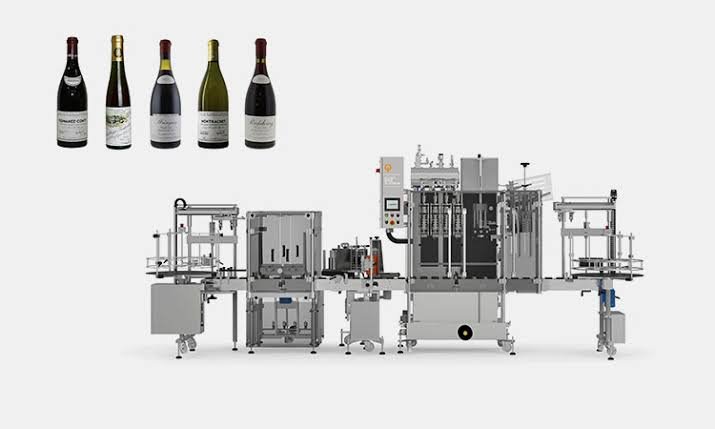
The liquor filling machine is an essential piece of equipment for distilleries, wineries, and beverage manufacturers. It is designed to accurately fill bottles with spirits such as whiskey, vodka, rum, gin, tequila, brandy, and other alcoholic beverages. Modern filling machines improve production efficiency, minimise product waste, and ensure consistent fill levels that meet industry standards.
Whether you operate a small craft distillery or a large-scale liquor production facility, investing in the right liquor filling machine can significantly improve productivity and product quality. These machines are available in manual, semi-automatic, and fully automatic models, allowing businesses to select equipment that matches their production capacity.
In this guide, you’ll learn everything about liquor filling machines, including their types, benefits, working principles, applications, maintenance, and tips for choosing the right system.
What Is a Liquor Filling Machine?
A liquor filling machine is specialised equipment used to dispense precise amounts of alcoholic beverages into bottles or other containers. It ensures every bottle receives the correct volume while maintaining speed and accuracy throughout the filling process.
Unlike manual bottling methods, a liquor filling machine reduces human error and increases production efficiency. Most modern systems are compatible with glass bottles, PET bottles, and other beverage containers used in the alcohol industry.
Manufacturers design these machines to handle liquids with different viscosities while preventing spills and reducing product loss.
Benefits of Using a Liquor Filling Machine
Businesses choose a liquor filling machine because it offers numerous operational advantages.
Some of the key benefits include:
- High filling accuracy
- Faster production speeds
- Reduced product waste
- Consistent bottle filling
- Improved hygiene
- Lower labour costs
- Easy operation
- Reliable performance
- Better product quality
- Increased production capacity
These advantages help beverage manufacturers improve profitability while maintaining customer satisfaction.
Types of Liquor Filling Machines
Different production facilities require different filling systems. The most common types include:
Manual Liquor Filling Machine
Manual models are suitable for small distilleries and start-up businesses. Operators control the filling process by hand, making these machines affordable and easy to use.
Semi-Automatic Liquor Filling Machine
Semi-automatic machines combine manual bottle placement with automated filling. They offer improved speed and accuracy while remaining cost-effective for medium-sized operations.
Automatic Liquor Filling Machine
Automatic liquor filling machines handle bottle feeding, filling, and discharge with minimal operator involvement. They are ideal for high-volume production facilities where efficiency is critical.
Vacuum Filling Machine
Vacuum fillers are commonly used for glass bottles. They provide accurate filling levels while reducing foam formation during the bottling process.
Gravity Filling Machine
Gravity filling systems use the natural flow of liquid to fill containers. They are suitable for thin liquids like spirits, vodka, whiskey, and gin.
Piston Filling Machine
Piston fillers are more commonly used for thicker beverages or products with varying viscosities, offering precise volumetric filling.
How a Liquor Filling Machine Works
Although machine designs vary, most liquor filling machines follow a similar process.
The production begins with empty bottles entering the filling station via a conveyor system. The machine positions each bottle beneath the filling nozzles before dispensing a pre-set amount of liquor.
Sensors monitor the filling level to ensure consistency across every bottle. Once filled, the bottles move to the capping, sealing, labelling, and packaging stations.
This automated process significantly improves production speed while maintaining high accuracy.
Industries That Use Liquor Filling Machines
Liquor filling machines are widely used across the beverage industry.
Common users include:
- Whiskey distilleries
- Vodka manufacturers
- Rum producers
- Gin distilleries
- Tequila bottling plants
- Brandy manufacturers
- Wine producers
- Craft distilleries
- Beverage packaging companies
- Contract bottling facilities
These businesses rely on efficient filling systems to meet increasing production demands.
Features of Modern Liquor Filling Machines
Today’s liquor filling machines include advanced technologies that improve performance and ease of use.
Popular features include:
- PLC control systems
- Touchscreen operation
- Stainless steel construction
- Adjustable filling volume
- Anti-drip filling nozzles
- Bottle detection sensors
- Automatic cleaning systems
- Quick product changeovers
- Multiple filling heads
- Variable speed controls
These features help manufacturers improve productivity while maintaining product quality.
Choosing the Right Liquor Filling Machine
Selecting the correct liquor filling machine depends on several important factors.
Consider the following before purchasing:
- Daily production volume
- Bottle sizes
- Container shapes
- Alcohol type
- Filling accuracy requirements
- Automation level
- Available factory space
- Budget
- Future expansion plans
- Maintenance support
Evaluating these factors ensures you invest in equipment that meets both current and future production needs.
Advantages of Automation
Automated liquor filling machines provide substantial benefits compared to manual bottling methods.
Automation improves production consistency by reducing operator error. It also allows manufacturers to increase output without significantly increasing labour costs.
Additional advantages include:
- Faster production cycles
- Improved workplace safety
- Reduced downtime
- Better inventory control
- Easier quality assurance
- Lower operating costs
For growing businesses, automation often delivers an excellent return on investment.
Maintenance Tips
Proper maintenance keeps a liquor filling machine operating efficiently and extends its service life.
Recommended maintenance practices include:
- Clean the machine after every production run.
- Inspect filling nozzles regularly.
- Lubricate moving components.
- Replace worn seals promptly.
- Check sensor calibration.
- Monitor pneumatic systems.
- Tighten loose fittings.
- Perform scheduled servicing.
Routine maintenance also reduces unexpected breakdowns and costly production delays.
Common Problems and Solutions
Like any industrial equipment, liquor filling machines may experience occasional issues.
Some common problems include:
- Inconsistent fill levels
- Leaking nozzles
- Air bubbles
- Conveyor jams
- Sensor malfunctions
- Pump wear
- Pressure fluctuations
Most issues can be prevented through regular inspection, proper calibration, and preventive maintenance.
Hygienic Design Standards
Food and beverage manufacturers must maintain strict hygiene standards.
Modern liquor filling machines are built using food-grade stainless steel and smooth surfaces that are easy to clean. Many systems support Clean-in-Place (CIP) technology, allowing automated cleaning without extensive disassembly.
This hygienic design reduces contamination risks and helps manufacturers comply with industry regulations.
Factors That Affect Filling Accuracy
Several factors influence the performance of a liquor filling machine.
These include:
- Liquid temperature
- Alcohol viscosity
- Bottle quality
- Filling speed
- Machine calibration
- Pump performance
- Nozzle condition
Maintaining these variables helps ensure accurate filling and reduces product waste.
Future Trends in Liquor Filling Machines
Technology continues to improve beverage packaging equipment.
Future liquor filling machines are expected to feature:
- Artificial intelligence monitoring
- Smart production analytics
- Remote diagnostics
- IoT connectivity
- Energy-efficient motors
- Faster production speeds
- Improved automation
- Predictive maintenance systems
These innovations will help manufacturers increase efficiency while lowering operational costs.
Why Invest in a Liquor Filling Machine?
A high-quality liquor filling machine is a valuable investment for any beverage manufacturer. It enhances productivity, reduces waste, improves product consistency, and supports long-term business growth.
Whether producing a few hundred bottles per day or operating a large-scale bottling facility, the right machine can streamline production and deliver reliable performance. Modern systems also offer flexibility, allowing manufacturers to handle multiple bottle sizes and liquor types with minimal adjustments.
By choosing a dependable liquor filling machine, businesses can improve efficiency, maintain quality standards, and remain competitive in the growing beverage market.
Conclusion
A liquor filling machine plays a crucial role in modern beverage production by ensuring precise, efficient, and hygienic bottle filling. From small craft distilleries to large commercial bottling plants, these machines help increase productivity, reduce labour costs, and maintain consistent product quality.
With various models available, including manual, semi-automatic, and fully automatic systems, businesses can choose equipment that fits their production goals and budget. By investing in a reliable liquor filling machine and following proper maintenance practices, manufacturers can achieve long-term operational success while delivering high-quality products to customers.











Leave a Reply