

Handicap records in the 2024-25 Premier League revealed a familiar pattern: a small group of teams repeatedly failed to match the expectations built into the spread. For bettors, these sides became warning labels, because backing them “on trust” often meant paying full price for brand, narrative or outdated form while the line quietly shifted against value.
Why Some Teams Consistently Lose Against the Line
Teams that regularly fail the handicap do so because their true level, week-to-week consistency or tactical behaviour undercut what markets expect. Big-name clubs tend to carry inflated spreads as bookmakers anticipate heavy public money, which leaves little room for error when performances dip or margins tighten. At the other end, weak or unstable sides simply struggle to keep games within the handicap, especially when chronic defensive issues or transitional tactics produce scorelines larger than the line anticipates.
Market Overconfidence and the Big-Club Handicap Trap
Overconfidence in perceived favourites is one of the clearest routes to handicap failure. Clubs with strong reputations or recent success often see lines shaded in their favour, with handicaps that assume multi-goal wins even when underlying numbers suggest a smaller edge. When these teams rotate heavily, manage games conservatively after leading, or run into stubborn low blocks, they may still win outright yet fall short of covering, leaving handicap followers exposed despite correct match predictions.
Underperformance Relative to xG and Expected Points
Another route to losing the line comes from repeated underperformance relative to expected goals and expected points. In 2024-25, several clubs sat significantly below their xPts projections, meaning they drew or lost matches that shot and chance quality suggested they should have taken more from. That gap can reflect weak finishing, fragile goalkeeping or late concessions; all three are toxic for handicap reliability, since they turn “deserved” wins or narrow defeats into actual results that land on the wrong side of the spread.
Mechanism: From Tactical Flaws to Handicap Losses
Tactical choices can hard-wire a team towards handicap problems even when they find ways to collect points. Sides that sit in mid-blocks but press inconsistently can be sliced open in transition, conceding late goals that turn covers into pushes or losses. Others under new managers may control possession but lack penetration, regularly failing to extend leads beyond a single goal, which is enough to disappoint backers laying -1 or -1.5 lines.
Profiles of 2024-25 Teams Bettors Needed to Treat with Caution
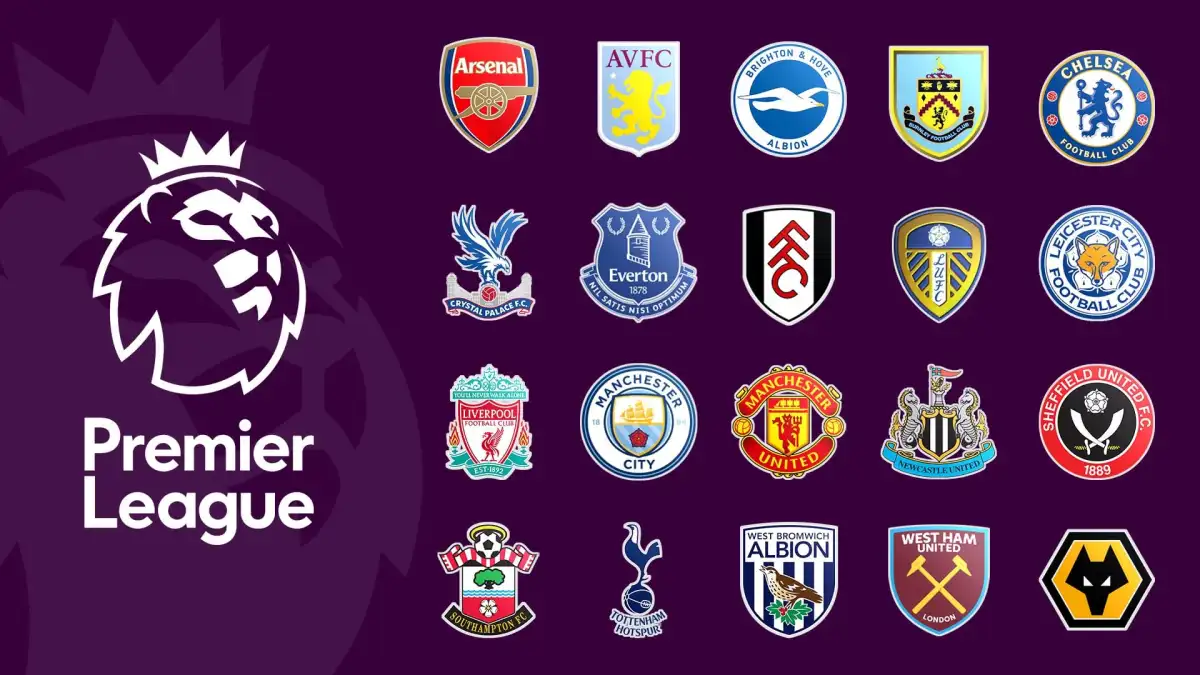
By the end of 2024-25, a set of recurring themes emerged around clubs that often disappointed relative to expectations. Some promoted sides, Leicester, Ipswich and Southampton among them, came into the season as relegation favourites, yet lines did not always fully reflect the stability gap to more established clubs, making it hard for them to stay within certain handicaps against top-half opposition. Elsewhere, teams with erratic defensive output, such as Wolves with periods of xG overperformance in attack but underperformance at the back, created unpredictable scorelines that frequently broke spreads in both directions.
Why Simply Fading “Bad ATS Teams” Can Still Be Dangerous
Knowing which teams have struggled against the handicap does not automatically justify fading them every week. Handicap failure often pushes markets to adjust, improving future prices and reducing the edge available in continued opposition. In some cases, a side’s poor ATS record is heavily skewed by a cluster of extreme results, with the rest of the season’s spreads landing closer to expectation, which makes raw percentages a noisy guide without tactical and injury context.
From a practical standpoint, many regular bettors try to observe these shifts within one consistent environment rather than across multiple dashboards; in that ongoing process, some mention using ทางเข้า ufabet168 as a betting platform where they track which Premier League teams are consistently failing to cover specific handicap bands, note when the lines start to soften in response, and evaluate whether there is still a rational case for opposing those sides or whether the pricing has caught up to the on-pitch reality to the point that continued fading is no longer justified by numbers.
A Table Framing Team Archetypes That Often Lose the Spread
Rather than fixing on club names, it is more durable to think in terms of archetypes that repeatedly struggle to justify their handicaps. The table below outlines typical patterns that should trigger caution when you see them attached to specific Premier League teams in 2024-25.
| Archetype (2024-25) | Common features that hurt handicap results | Why following them is risky |
| Overhyped favourite in transition | New manager, tactical shift, heavy media focus, but uneven chemistry. | Lines assume dominance before performances stabilise; 1-goal wins often miss big spreads. |
| Promoted side with thin squad | Limited depth, defensive errors, struggling to adapt to tempo. | When legs go late, margins widen and even generous +handicaps can be broken. |
| xG-underperformer with shaky keeper | Reasonable xG but high goals conceded from relatively low xGA. | Late or soft goals turn respectable games into spread losses. |
| Emotionally volatile “chaos” team | High-scoring swings, big wins and heavy defeats, inconsistent structure. | Hard to price; handicaps frequently miss both overs and unders in performance. |
Looking at teams through these lenses keeps you focused on why a club loses the spread rather than on a simple “bad ATS” tag. When a team moves out of one archetype—for instance, stabilising under a new coach or upgrading its goalkeeper—the original handicap concerns may fade, and persisting with old assumptions can become a liability.
Checklist for Deciding Whether to Trust or Avoid a Suspect Handicap Team
To avoid being pulled in by the last result or by club status, many data-driven bettors rely on a short, repeatable checklist before backing a team with a poor handicap reputation. This structure forces you to look beyond narrative and check whether the reasons for previous spread failures still apply.
Typical sequence before betting on a known handicap-risk team
- Review recent margins vs spread: how often did they win or lose by more than one goal relative to the closing handicap?
- Compare xG, xGA and xPts to actual points to see if poor results are mainly variance or genuine weakness.
- Check for structural issues—goalkeeper form, defensive organisation, or tactical transitions—that directly affect margins.
- Evaluate schedule and rotation: are they entering this game fatigued, rotated or under extra pressure that could amplify inconsistency?
- Examine how the current line compares to earlier-season spreads in similar fixtures; has the market already adjusted?
- Ask whether your edge comes from fresh information or just from knowing their past ATS record; skip if the answer is mainly the latter.
- Size any bet conservatively, acknowledging that teams with volatile handicap histories tend to produce wider distribution of outcomes.
Using this checklist consistently turns “I should be careful with them” into a clear yes/no decision rooted in current context and numbers rather than habit. Across the season, it also lets you track when certain teams move from being handicap liabilities to more neutral or even profitable propositions as their underlying issues are solved.
How “casino online” Patterns Differ from Handicap Failure
It is tempting to treat a run of failed spreads as though it were a casino-style losing streak that must eventually reverse, but the underlying mechanics are different. In handicap betting, prices change, squads evolve and tactics adjust, so a team can keep missing lines if the market remains too optimistic or if structural problems persist. In a casino online setting, by contrast, probabilities are fixed and unaffected by team form or perception, which means streaks in outcomes say little beyond confirming the known house edge. Mixing those logics—assuming a team is “due to cover” because it has recently failed—riskily blurs two very different probability environments.
Summary
In the 2024-25 Premier League, the teams that most often lost against the handicap line tended to share traits: overestimated favourites in flux, promoted clubs outgunned in depth, and sides whose defensive or goalkeeping issues inflated losing margins. For bettors, the real danger lay in following these clubs purely on name or past glory while spreads quietly priced in optimistic scenarios that rarely arrived. A structured approach—using archetypes, current xG-based diagnostics and a clear pre-bet checklist—turned those caution flags into practical decisions about when to step aside, rather than learning the hard way that some teams are far better watched than backed in handicap markets.








Leave a Reply